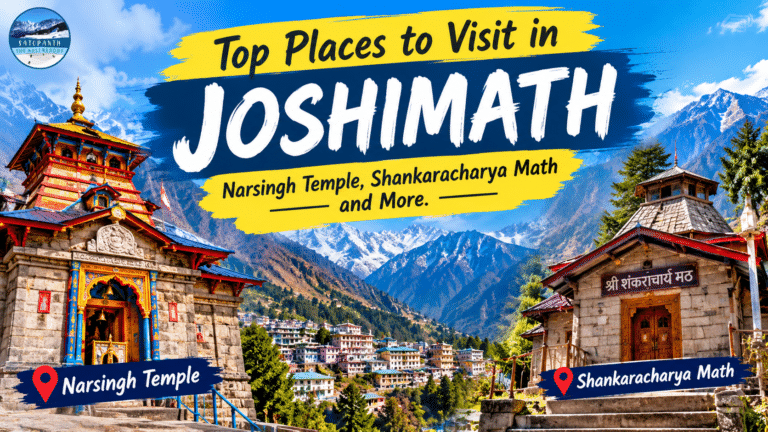
Top Places to Visit in Joshimath: Narsingh Temple, Shankaracharya Math and More
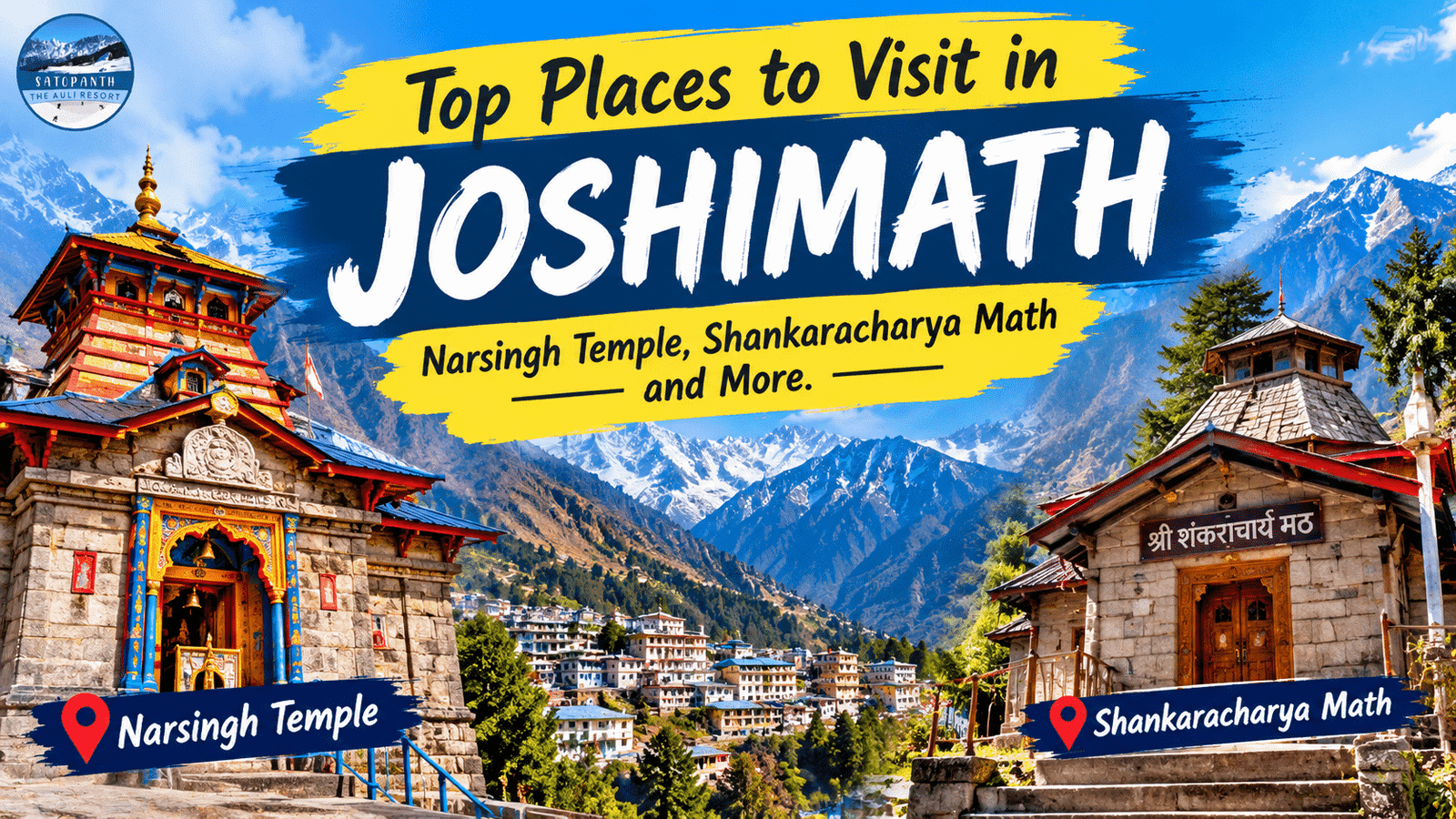
Joshimath, also called Jyotirmath, is a calm Himalayan town in Uttarakhand’s Chamoli district. It sits at about 6,150 feet and is one of the main stops on the way to Badrinath. It is also the starting point for trips to Auli, the Valley of Flowers and Hemkund Sahib. Many travelers only pass through, but the town has old temples, holy river meetings and mountain views that are worth a slow visit.
This guide covers the top places to visit in Joshimath: Narsingh Temple, Shankaracharya Math and more. It also includes simple travel tips to help you plan.
Why Joshimath Is Worth Your Time
Joshimath mixes faith, history and mountain scenery in one small town. In winter, heavy snow closes the Badrinath shrine, and the deity is moved here for prayers. That makes the town a living part of the Char Dham tradition. If you like quiet temples, short drives to waterfalls and big Himalayan views, you will enjoy it.
Getting to Joshimath and Getting Around
Most travelers come by road. The nearest airport is Jolly Grant in Dehradun, and the nearest major railway station is Rishikesh (Haridwar is another option). You can check flights on the Airports Authority of India website and trains on Indian Railways.
From Rishikesh, the road passes Devprayag, Srinagar, Rudraprayag and Karnaprayag. It is a long and scenic drive of roughly 250 km, usually 8 to 10 hours with stops. Shared taxis and buses run daily, but a private taxi gives you more freedom to stop at viewpoints.
Once you arrive, local taxis and shared jeeps are easy to find. The main temples are close to each other, so you can walk between some of them. You can visit without your own car, but a hired taxi saves time for places like Vishnuprayag. Our 24-hour travel desk can also arrange local transport for guests.
Narsingh Temple: The Heart of the Town
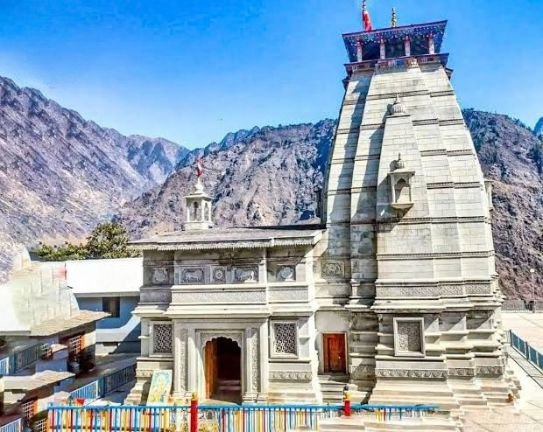
The Narsingh Temple is the best-known stop on any Joshimath sightseeing list. It is dedicated to Lord Narsingh, the half-man, half-lion form of Lord Vishnu. The temple is in the main town area, and you can reach it by a short uphill walk or a quick taxi ride from the market.
Its importance is highest in winter. When the Badrinath shrine closes for the snow months, the idol of Lord Badrinath is brought here, and daily prayers continue in this sanctum. Visiting during that season is a special experience for devotees.
The temple is usually open from early morning to evening. Timings can change with the season and festivals, so check locally before you go. Morning is a good time because the air is fresh, the crowd is small and the aarti has a peaceful feel. Dress modestly and keep your phone on silent inside the shrine.
Shankaracharya Math (Jyotirmath): A Place of Learning
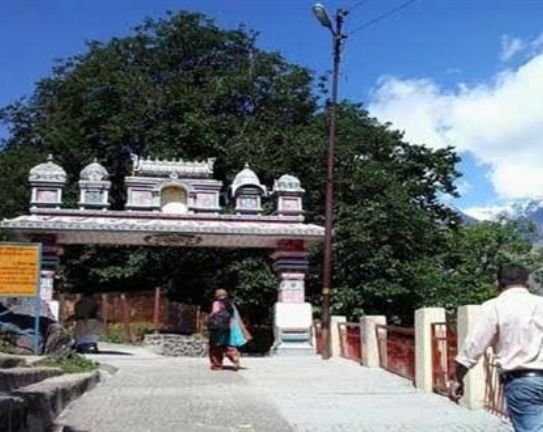
The Shankaracharya Math is one of the four main monasteries set up by Adi Shankaracharya in the 8th century. It makes Joshimath one of the four spiritual seats of India, along with Dwarka, Puri and Sringeri.
The complex is quiet and simple. Inside, you can see the Sphatik Lingam, a lingam made of crystal. Many visitors also walk to the ancient Kalpavriksha, a mulberry tree believed to be over 2,500 years old. Tradition says the sage meditated beneath it.
Plan about an hour here. It is a good place to sit, watch and take in the history of the town. It is not far from the Narsingh Temple, so you can see both in one outing.
Kalpavriksha: The Ancient Tree of Joshimath
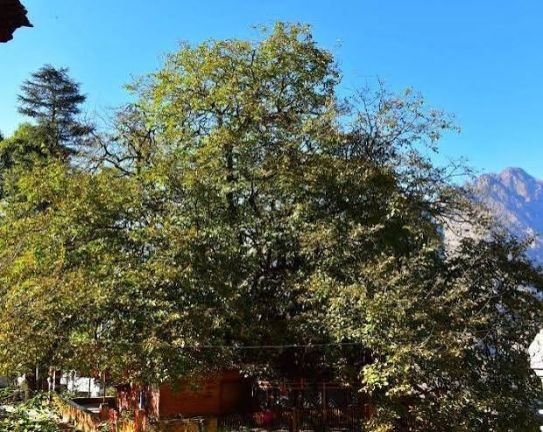
Just a short walk from the Shankaracharya Math stands the Kalpavriksha, a very old mulberry tree. Local belief says Adi Shankaracharya sat under it in deep meditation and gained spiritual knowledge. The name means “wish-fulfilling tree,” so many visitors come to pray quietly and tie their hopes to its memory.
The trunk is wide and twisted, with thick roots that show how many years it has stood here. You will see people walking around it slowly, touching it with respect or simply standing in silence. There is no entry rush and no loud crowd. It is a place for a calm ten to fifteen minutes.
Different sources give different ages for the tree, from about 1,200 years to over 2,500 years. Since no one can say for sure, it is safest to write that the tree is “more than a thousand years old, and local tradition says much older.” Visit it right after the Math, since the two sit so close together.
Vishnuprayag: Where Two Rivers Meet
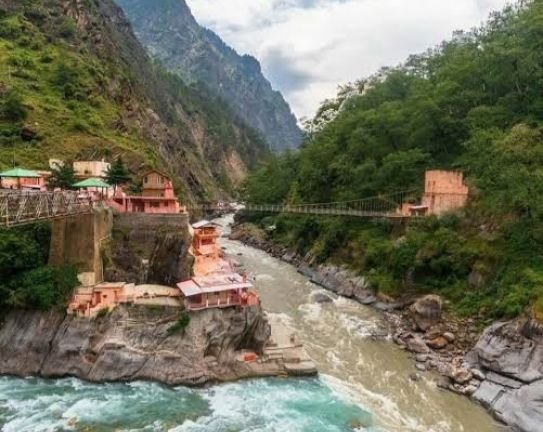
Vishnuprayag lies about 12 km from Joshimath on the road to Badrinath. It is the first of the five holy river meetings, known as the Panch Prayag, on the Alaknanda. Here, the Alaknanda joins the Dhauliganga, and the two rivers crash together in a narrow gorge with steep cliffs on both sides.
The water is loud, fast and a deep green-grey color, especially in the monsoon. A bridge and small viewing area let you watch the meeting from above. Stay behind the railings, because the current is strong and the rocks can be slippery. Bathing is not safe in most seasons.
There is also a small temple dedicated to Lord Vishnu close by. According to old stories, the sage Narada prayed here to Lord Vishnu, which gives the place its name. Many pilgrims stop on their way to or from Badrinath. If you want a quiet visit, go in the morning. Plan about 45 minutes to an hour, plus travel time. Check the road before you leave, as landslides can slow the route in the rainy season.
Jogidhara Waterfall: A Easy Roadside Stop
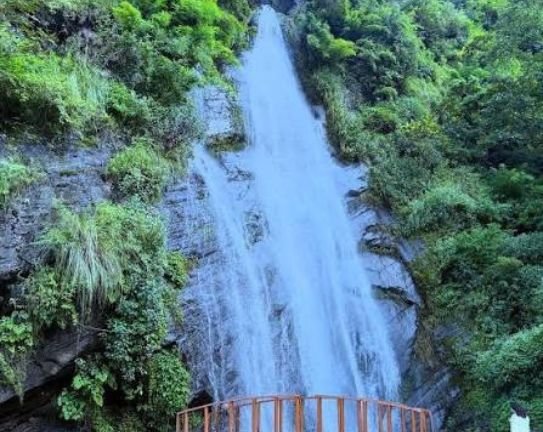
Jogidhara Waterfall is one of the simplest attractions near Joshimath. It sits on NH 7, close to the entrance of the town, so you can stop without a long detour. A cool mountain stream slides down a rocky face and splashes into a small pool beside the road.
This is a good place to stretch your legs after a long drive from Rishikesh. The sound of falling water, the damp rocks and the green slope behind make it a nice photo stop. You do not need to trek or climb. Fifteen to twenty minutes is enough for most travelers.
The waterfall is fullest in the monsoon and just after, when the hills are wet. In winter, the flow is lighter, and nearby rocks can be icy, so walk with care. Do not park in a way that blocks traffic, since this is a busy highway.
Nanda Devi National Park: The Wild Heart of the Himalayas
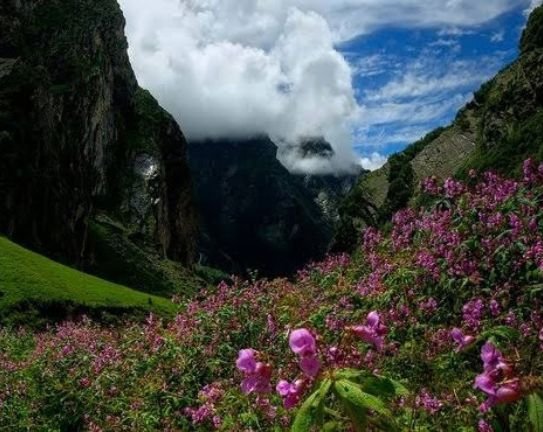
Nanda Devi National Park is a UNESCO World Heritage Site in the Chamoli district, set around the mighty Nanda Devi peak. It is known for its high ridges, deep valleys, glaciers and rare wildlife. Animals like the snow leopard, Himalayan black bear and blue sheep are found in this region, along with many bird species and alpine flowers.
This is a protected area, and access is controlled to keep the landscape safe. The inner zone is closed to normal tourism, and only limited areas can be visited. Rules also change from time to time. If you wish to go, check the latest entry rules and permit steps with the Uttarakhand Forest Department or the forest office in Joshimath before planning anything.
For most travelers, the easiest way to enjoy Nanda Devi is to look at it from a distance. On a clear day, you can see the peak from viewpoints around Auli, which makes it a lovely sight at sunrise.
Natural Spots Near Joshimath
Joshimath works as a base for many mountain trips. Here are the main ones.
Auli. Auli is the easiest and most popular outing. It is famous for skiing and snowboarding in winter, and in summer its green meadows are good for walks and picnics. You can go by road or take the ropeway for wide views of the peaks. Our guide to the Auli Artificial Lake can help you plan the visit.
Valley of Flowers and Hemkund Sahib. Both trips start from Govindghat, around 22 km from Joshimath. From there, a trek leads to Ghangaria, where the paths split. One goes to the Valley of Flowers, a high meadow full of wild blooms in the monsoon. The other goes up to Hemkund Sahib, a sacred Sikh shrine beside a glacial lake. Read our Hemkund Sahib trek guide before you go. The Valley of Flowers is open only in the warmer months, so check entry dates first.
Kuari Pass. Often called a winter trek, Kuari Pass is a gentle and rewarding walk through oak and rhododendron forest. At the top, you get a wide line of famous peaks. It suits beginners with good fitness, and the snow in winter adds to the charm.
Bagini Glacier. This trek starts near Dronagiri village and leads to a hanging glacier. It is harder than Kuari Pass and needs good fitness, stamina and a local guide.
Kagbhusandi Tal. This high-altitude lake sits deep in the mountains and is for experienced trekkers only. The route is steep, the air is thin, and conditions can turn quickly, so always go with a trained guide and proper gear.
For any trek, check the weather, carry warm layers and do not rush your climb. Altitude can affect even fit travelers.
Auli: The Easy Day Trip
Auli is only a short drive or ropeway ride from Joshimath, around 14 to 16 km by road. It is known for wide meadows, snow slopes and views of peaks like Nanda Devi. A day trip is possible, and you can take the ropeway up and the road down for a change of view. If you want more detail, read about the Auli Artificial Lake or see all the attractions near the resort.
Bigger Trips from Joshimath
Joshimath is a good base for longer adventures:
- Nanda Devi National Park is a UNESCO World Heritage Site. Entry needs a permit, so check the rules with the Uttarakhand Forest Department first.
- Valley of Flowers opens in the summer and monsoon months. Travelers go from Joshimath to Govindghat to start the trek.
- Hemkund Sahib is also reached from Govindghat. See our Hemkund Sahib trek guide for planning tips.
Simple Itineraries
If you have one day: Visit the Narsingh Temple and Shankaracharya Math in the morning. Stop at Jogidhara Waterfall, then spend the afternoon on a short drive to Vishnuprayag.
If you have two days: Keep day one for the town and the temples. On day two, go to Auli for the views, or to Tapovan if you prefer a quieter outing. Two days is enough for first-time visitors who want a relaxed pace without rushing.
For a longer trip that adds Badrinath, see our Badrinath and Auli package.
Best Time to Visit Joshimath
- March to June: Pleasant days, clear views and easy roads. This is a good time for sightseeing.
- July to September: The monsoon brings green hills but also a risk of landslides and delays. Travel with extra time and check road updates.
- October to November: Crisp air and sharp mountain views, with fewer crowds.
- December to February: Cold and often snowy. It is worth visiting in winter if you want to see the Narsingh Temple during the Badrinath winter season, but pack warm clothes.
Weather in the hills changes fast, so check the forecast from the India Meteorological Department before you travel. It is also wise to look at current road and travel advisories on the Uttarakhand Tourism website. For Badrinath temple updates, the Badrinath-Kedarnath Temple Committee is the official source.
Where to Stay
A comfortable base makes sightseeing easier. Satopanth The Auli Resort sits on the Joshimath–Auli road, so you can reach the town’s temples and the Auli ropeway without a long drive. Choose from the Premium Room with Himalayan View or the Executive Room with Himalayan View, both with balconies and mountain scenery. You can learn more about us on the Satopanth Auli Resort or contact our team to plan your stay.
Final Thoughts
Joshimath is more than a stopover. The Narsingh Temple and Shankaracharya Math give the town its spiritual depth. Vishnuprayag and Jogidhara bring the mountain landscape up close, and Auli, Nanda Devi and the Valley of Flowers are all within reach. Give it at least two days and travel at an easy pace.
For More Information
Visit Our Website – Satopanth Auli Resort
FAQ
The most famous places are the Narsingh Temple, Shankaracharya Math (Jyotirmath) and the ancient Kalpavriksha tree. Nearby, you can visit Vishnuprayag, where the Alaknanda and Dhauliganga rivers meet, Jogidhara Waterfall and the Tapovan hot springs. Many travelers also use Joshimath as a base for Auli, Nanda Devi National Park and the Valley of Flowers.
- Munsiyari: A quiet Kumaon town with close views of the Panchachuli peaks.
- Chaukori: Peaceful tea gardens and sunset views, far from crowded hill stations.
- Khirsu: A small Pauri Garhwal village with orchards, forests and Himalayan views.
- Dodital: A calm mountain lake reached by a gentle trek, believed to be the birthplace of Lord Ganesha.
- Mana Village: A high-altitude border village near Badrinath, with Vyas Gufa and Vasudhara Falls close by.
Check road and weather conditions before you go, since many of these places are remote.
The Narsingh Temple is the most famous temple in Joshimath. It is dedicated to Lord Narsingh, the half-man, half-lion form of Lord Vishnu. In winter, when the Badrinath shrine closes because of snow, the idol of Lord Badrinath is brought here for prayers. The Shankaracharya Math is also well known, as it is one of the four monasteries founded by Adi Shankaracharya.
Day 1: Arrive and relax. Reach Auli by road or ropeway and settle in. Take a short walk on the meadows and watch the sunset over the Himalayan peaks.
Day 2: Adventure day. In winter, try skiing or snow play with a trained instructor. In other seasons, go on a nature walk or a trek toward Gurso Bugyal, and visit the Auli Artificial Lake for a calm stop.
Day 3: Explore Joshimath. Visit the Narsingh Temple and Shankaracharya Math, then stop at Tapovan or Vishnuprayag before heading home.
Tip: Activities depend on the season, so check the weather and road status before you travel.