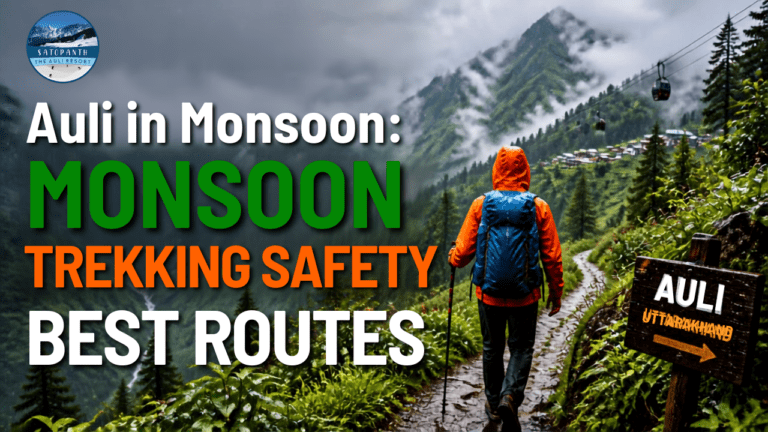
Auli in Monsoon : trekking Safety & Best Routes
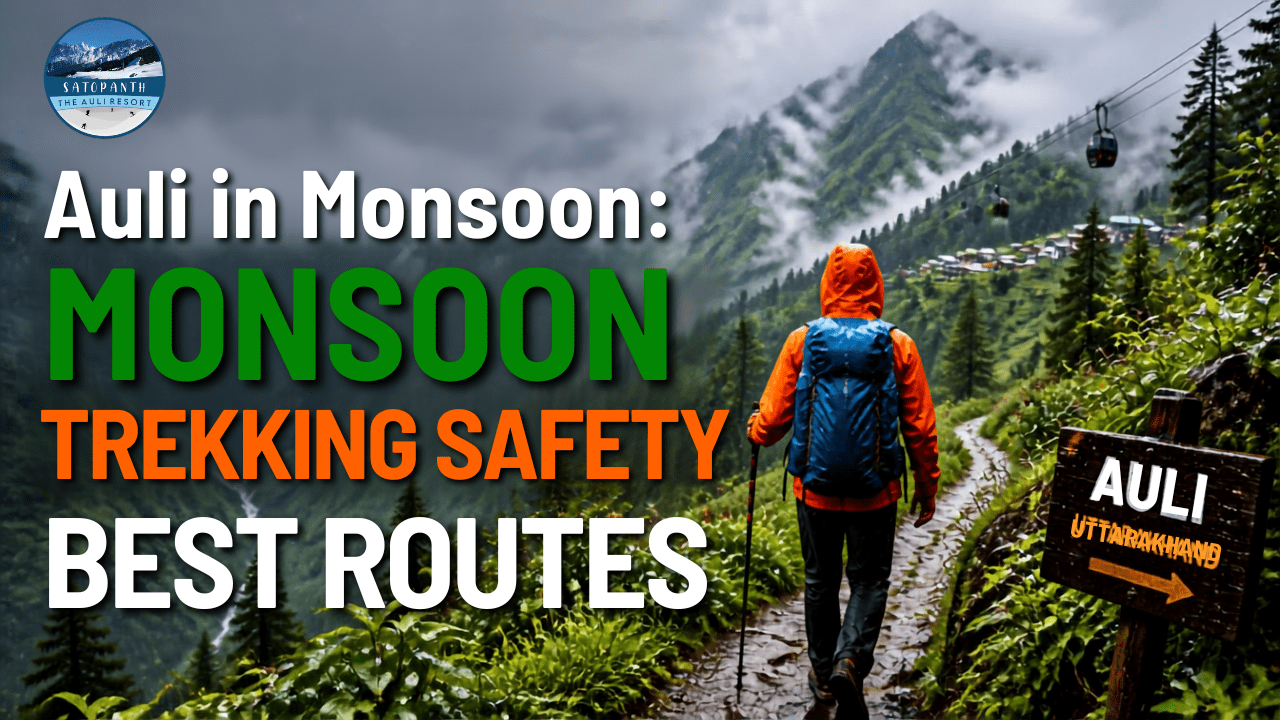
Auli in Monsoon represents a transformative experience in the Himalayas, where this renowned skiing destination undergoes a dramatic seasonal metamorphosis. Located at 3,000 meters above sea level in Uttarakhand, (July to September) transforms into a verdant paradise, offering trekkers and nature enthusiasts an entirely different adventure compared to winter skiing. During this period, the region experiences consistent rainfall that nourishes the alpine meadows, creating lush green landscapes and enhancing the region’s natural beauty.
Auli in presents a unique opportunity to explore this high-altitude destination with fewer crowds. While winter attracts ski enthusiasts, Auli in Monsoon appeals to adventurers seeking authentic mountain experiences. The monsoon season brings refreshing weather, blooming flora, and a sense of discovery that transforms the entire region’s character.
Why Trek During Monsoon Season
Trekking during Auli offers numerous advantages that distinguish this season from others. The monsoon season brings moderate temperatures ranging from 5-15°C, making physical exertion more manageable compared to extreme winter cold. At Satopanth-The Auli Resort, guests can enjoy comfortable accommodations with mountain views before and after their monsoon adventures.
The primary reasons to trek during Auli in Monsoon include:
Advantages of Auli in Monsoon Trekking:
- Reduced tourist crowds and more authentic experiences
- Moderate temperatures ideal for extended trekking
- Abundant water sources and fresh mountain springs
- Enhanced photography opportunities with misty valleys and green meadows
- Budget-friendly accommodation rates at mountain resorts
- Excellent acclimatization conditions for high-altitude trekking
Auli in Monsoon: Climate & Geography
Understanding the climate and geography during Auli is essential for proper preparation. Auli in Monsoon experiences significant precipitation, with average rainfall between 600-800mm distributed across the season. The geography features steep valleys, alpine meadows known locally as “bugyals,” and dense oak-pine forests that provide natural shelter.
The region’s elevation ranges from 2,500 to 3,600 meters, creating distinct climatic zones. Auli in Monsoon showcases the dramatic topography of the Chamoli district, with numerous ridges, passes, and interconnected valleys. The Nanda Devi mountain range dominates the landscape, offering spectacular panoramic views during clear weather windows.
Safety Essentials
Auli in Monsoon: Weather Hazards & Risks
Safety remains paramount when trekking during Auli in Monsoon. The primary weather hazards during this season include sudden downpours, reduced visibility due to fog, and rapidly changing weather patterns. Auli in Monsoon typically experiences 4-6 hours of precipitation daily, concentrated in afternoon and evening hours.
Common Weather Risks During Auli in Monsoon:
| Risk Factor | Severity | Mitigation Strategy |
|---|---|---|
| Heavy Rainfall | High | Start treks early morning, carry waterproof bags |
| Fog & Low Visibility | Medium | Use GPS, trek with experienced guides |
| Temperature Fluctuations | Medium | Layer clothing, monitor weather forecasts |
| Lightning Storms | High | Avoid exposed ridges during afternoon hours |
| Slippery Trails | High | Use trekking poles, wear grip footwear |
Auli in Monsoon demands constant vigilance regarding sudden weather changes. The temperature can drop 10-15 degrees within hours, and clear mornings can transform into thunderstorm afternoons by mid-day.
Landslides and Terrain Challenges
During Monsoon, landslides present significant terrain challenges. The saturated soil and steep gradients create conditions for debris flows and minor landslides, particularly on exposed slopes. Fresh landslide scars visible during Auli indicate active geological processes.
The terrain during Auli in Monsoon features:
- Loose scree slopes prone to erosion
- Muddy patches on well-trodden trails
- Exposed rock faces with reduced friction
- Swollen streams with increased flow velocity
- Dense vegetation obscuring trail markers
Before trekking during Auli in Monsoon, consult with experienced guides at local trekking companies and verify current trail conditions.
Lightning Safety Protocols
Lightning represents the most dangerous threat during Monsoon treks. High-altitude areas during the monsoon season experience frequent electrical storms, particularly between 2-6 PM daily. When trekking Auli:
- Avoid exposed ridge lines after midday
- Seek shelter in dense forest areas during storms
- Never remain on open meadows during lightning activity
- Move away from metal objects and isolated trees
- Descend to lower elevations before afternoon weather deteriorates
Lightning Safety Comparison:
| Safety Measure | Effectiveness | Implementation |
|---|---|---|
| Early Morning Starts | 85% | Begin treks by 6 AM |
| Ridge Avoidance After 2 PM | 90% | Descend before weather changes |
| Forest Shelter Seeking | 75% | Understand tree distribution |
| Metal Object Distance | 95% | Maintain 50+ meters clearance |
River Crossings and Stream Safety
Auli significantly increases stream flow volumes. Rivers swell to dangerous levels, with water velocity increasing dramatically. When crossing streams during Auli:
- Use established crossing points with rope systems
- Never attempt crossing during peak rainfall hours (3-7 PM)
- Test water depth with trekking poles before committing weight
- Cross in groups for mutual support and safety
- Consider postponing treks if water levels seem unmanageable
Health Precautions and Altitude Sickness
Auli in presents unique health considerations due to high altitude combined with moisture-laden air. Altitude sickness remains a concern even during moderate temperatures, as the reduced oxygen levels persist regardless of season.
Health Precautions for Auli in Monsoon:
- Acclimatize properly at intermediate elevations
- Maintain consistent hydration despite cool temperatures
- Monitor for acute mountain sickness symptoms (nausea, headache, dizziness)
- Descend immediately if severe altitude sickness symptoms develop
- Carry prescription medications for altitude management
Essential Gear & Equipment
Auli in Monsoon: Clothing Requirements
Proper clothing forms the foundation of safety during Auli treks. The key principle involves layering to adapt to rapidly changing conditions. Auli in Monsoon requires more substantial insulation than one might expect given the moderate temperatures, as moisture-laden air conducts heat away from the body efficiently.
Waterproof and Weather Gear
Auli demands premium waterproof equipment. Essential items include:
- Gore-Tex rain jacket with sealed seams
- Waterproof pants with ankle gaiters
- Waterproof rucksack cover or dry bags
- Moisture-wicking base layers (merino wool, synthetic)
- Fleece insulation layers
- Wind-resistant outer shell layers
Investing in quality waterproof gear for Auli in Monsoon treks prevents hypothermia and maintains equipment functionality.
Footwear for Wet Terrain
Appropriate footwear during Auli prevents injuries on slippery terrain. Requirements include:
- Waterproof trekking boots with aggressive tread patterns
- Insulated soles for moisture protection
- High ankle support for unstable muddy surfaces
- Quick-drying socks (avoid cotton)
- Camp footwear for rest areas
Navigation and Communication Tools
During Auli treks, navigation tools become critical due to reduced visibility:
- GPS device with offline maps
- Detailed topographic maps in waterproof cases
- Trekking poles for stability on wet surfaces
- Satellite messenger or personal locator beacon
- Mobile phone with backup power banks
Best Trekking Routes
Auli in Monsoon: Beginner-Friendly Routes
Auli Lake Trek (2 days): The Auli artificial lake trek provides an excellent introduction to Auli in Monsoon trekking. Starting from Satopanth-The Auli Resort, this beginner route covers approximately 8 kilometers round trip with moderate elevation gain. The trek to Auli Artificial Lake offers stunning reflections in the monsoon season and relatively stable trail conditions.
Intermediate Trekking Paths
Gurso Bugyal Trek (3-4 days): Auli in Monsoon makes Gurso Bugyal trek particularly scenic. This intermediate route showcases the region’s alpine meadows in their verdant glory, with 360-degree Himalayan views when weather permits. The trek typically follows a 15-kilometer circuit with varying elevation.
Advanced Routes During Monsoonhs
Kwari Pass Trek (5 days): Auli in Monsoon transforms the challenging Kwari Pass trek into an adventure through mystical mountain passes. This advanced route connects Auli to Chopta, covering approximately 35 kilometers with significant altitude variations.
Auli in Monsoon: Scenic Viewpoints & Highlights
Scenic Comparison Table:
| Viewpoint | Altitude (m) | Best Season | Key Features |
|---|---|---|---|
| Gurso Bugyal | 3,200 | Jul-Aug | 360° views, alpine meadows |
| Kwari Pass | 3,600 | Aug-Sep | Mountain pass, valley vistas |
| Auli Peak | 3,050 | Jul-Oct | Sunrise views, ski slopes |
| Artificial Lake | 2,800 | Jul-Sep | Reflections, scenic photography |
Detailed Route Breakdowns
Auli in Monsoon: Kwari Pass Trek
Day 1: Auli to Ramgarh Camp (8km, 4-5 hours) Beginning from base camp, this section traverses gentle gradients through oak forests. Auli in Monsoon provides cool, misty conditions ideal for acclimatization.
Day 2: Ramgarh to Chaurabari (6km, 5 hours) This challenging day includes steep ascents and potential stream crossings. Stream flow during Auli in Monsoon requires careful navigation.
Day 3-4: Chaurabari to Kwari Pass area Advanced trekkers tackle high-altitude terrain with exposure to weather. Auli in Monsoon conditions demand strong physical fitness and mountaineering experience.
Day 5: Descent to Chopta The final descent offers recovery and perspective on the completed adventure.
Auli-Kedarkantha Circuit
This 6-7 day circuit offers diverse terrain and experiences. Auli in Monsoon makes this circuit particularly rewarding with abundant water sources and dramatic cloud formations.
Chopta-Tungnath to Auli Route
Connecting these two regions during Auli in Monsoon creates a memorable multi-day adventure through pastoral landscapes and dense forests.
Auli in Monsoon: Day Hikes from Base Camp
For visitors with limited time, Auli in Monsoon offers excellent day hiking opportunities:
- Base camp to Artificial Lake (4 hours round trip)
- Local meadow exploration (2-3 hours)
- Waterfall hikes through monsoon-fed streams (3-4 hours)
Pre-Trek Preparation
Auli in Monsoon: Fitness Training Plan
Begin training 8-12 weeks before Auli in Monsoon treks. Include:
- Cardiovascular exercises (running, cycling) 3x weekly
- Stair climbing with weighted backpacks
- Core strength development
- Flexibility and stretching routines
- Altitude simulation if available
Permits and Permissions Required
Check current requirements with Uttarakhand Forest Department for Auli in Monsoon treks, as regulations may restrict certain routes during heavy rainfall periods.
Best Time to Visit During Monsoon
Optimal Auli in Monsoon Window:
- July-Mid August: Moderate rainfall, accessible routes
- Mid August-September: Improving weather, reduced crowds
- Avoid: Peak monsoon July early weeks with unpredictable weather
Budget and Expense Planning
Auli in Monsoon Budget Breakdown:
| Expense Category | Low Budget | Mid-Range | Premium |
|---|---|---|---|
| Accommodation (per night) | ₹1,500 | ₹3,000 | ₹5,000+ |
| Guides/Porters (daily) | ₹800 | ₹1,500 | ₹2,500+ |
| Food & Supplies | ₹500 | ₹800 | ₹1,200+ |
| Equipment Rental | ₹1,000 | ₹2,000 | Owned |
| Transportation | ₹2,000 | ₹4,000 | ₹6,000+ |
Stay at Satopanth-The Auli Resort before/after treks for comfortable base camp experiences.
Emergency Procedures
Auli in Monsoon: Emergency Contacts & Resources
Emergency Numbers:
- Police: 100
- Medical Emergency: 102
- Uttarakhand Tourism: +91-135-2743333
- Satopanth Resort: +91-8937035480
Evacuation Procedures
During Auli in Monsoon emergencies, helicopter evacuation from Joshimath or Auli helipad is possible. Contact local authorities immediately for evacuation coordination.
First Aid Response Protocols
Treat altitude sickness with immediate descent. Address hypothermia with gradual warming. Manage injuries on-site while arranging evacuation.
Accommodation & Logistics
Auli in Monsoon: Accommodation Options
Satopanth-The Auli Resort offers luxury base camp stays with mountain view rooms providing comfort before and after monsoon treks. The resort provides reliable facilities during the monsoon season.
Homestays and Local Facilities
Homestays in Joshimath and surrounding villages offer authentic experiences and local expertise during Auli in Monsoon season.
Transportation to Auli
- Nearest airport: Jolly Grant Airport, Dehradun (280 km away)
- Train station: Rishikesh Railway Station (230 km)
- Road access: Well-connected highways to Joshimath
- Duration: 8-10 hours from Delhi to Auli
Nearby Towns and Service Centers
Service Centers During Auli in Monsoon:
- Joshimath: Medical facilities, supplies, guides (20 km)
- Chopta: Equipment rental, basic supplies (25 km)
- Rudraprayag: Major town with full amenities (50 km)
Conclusion
Auli in Monsoon represents an extraordinary opportunity to experience the Himalayas in their most vibrant, living state. With comprehensive preparation, appropriate safety measures, and respect for nature’s power, trekking during Auli in Monsoon creates unforgettable adventures. The combination of dramatic weather, lush landscapes, and authentic mountain experiences makes Auli in Monsoon a compelling destination for adventurers.
Plan your Auli in Monsoon adventure thoughtfully, prepare diligently, and embrace the monsoon’s challenges as part of an transformative Himalayan experience. Contact Satopanth-The Auli Resort for pre-trek and post-trek accommodation to ensure comfortable base camp stays before and after your monsoon mountain adventures.
FAQ
Yes, with proper preparation, experienced guides, and adherence to safety protocols. Auli in Monsoon poses risks similar to any high-altitude trekking.
A: Absolutely. Choose beginner routes like the Auli Lake trek. Auli in Monsoon offers options for varying fitness levels.
A: Budget ₹8,000-15,000 per day including accommodation, guides, meals, and permits
A: July through September represents the monsoon season, with peak rainfall in July-August.
A: Yes, if you value solitude, photography, and moderate temperatures over guaranteed clear views.